
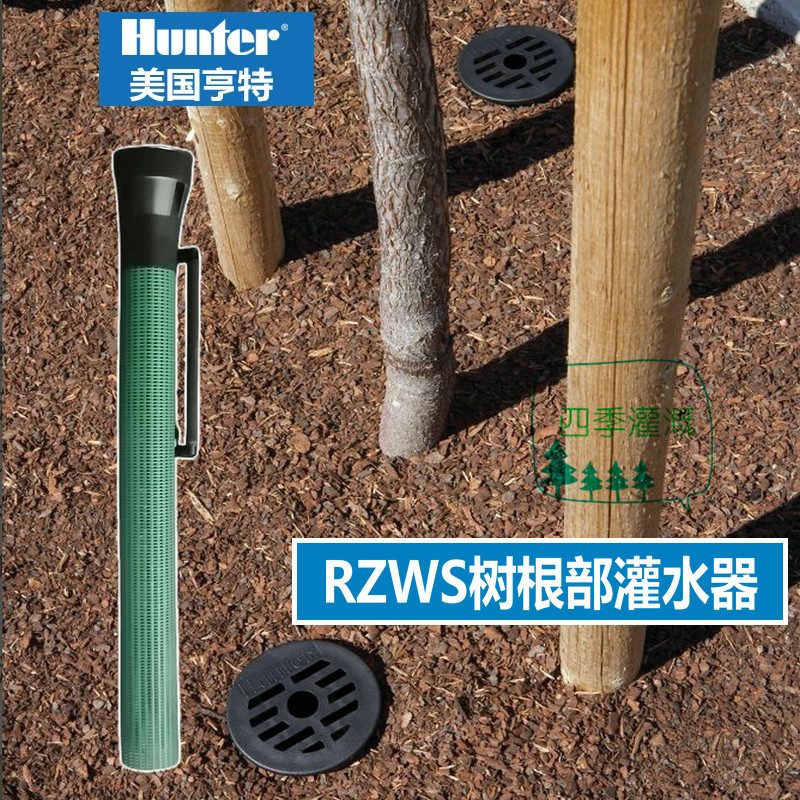
A tool for getting water down to the root zone rather than onto the surface. It is the answer to
a specific problem: a tree or shrub planted into a hard, compacted or paved-surround situation where
surface water runs off before it can infiltrate, and where the roots that matter are half a metre
below the ground being watered.
The problem it solves
On a street tree in a root cell, a car park island, or a raised planter over a slab, ordinary
surface irrigation is largely wasted. Water arrives, pools, and leaves. A root waterer delivers it
below the competition — below the turf roots that would otherwise take it, and below the layer that
dries out first. On establishment work in difficult ground, that is the difference between a tree
that lives and one that is replaced under warranty.
Establishment, not permanent irrigation
This is generally a commissioning and aftercare tool, used through the first two or three seasons
while a root system develops, not a permanent irrigation method for a mature landscape. Say so in
the quotation. Clients who expect it to replace a permanent system are disappointed, and clients who
understand it as establishment support buy it without argument.
Ordering considerations
- How many trees or shrubs per site, and whether they are being planted in one phase or several.
- Who does the watering — a contractor visiting weekly, or a maintenance team on site daily.
- Whether the ground is open soil or a paved surround, since that decides how the unit is set.
For the quote
Send the plant count and the ground condition. On schemes with several hundred specimens the
quantity is the whole conversation.
Model names of third-party brands are used for compatibility reference only. Final dimensions, flow and pressure ratings are confirmed against the manufacturer datasheet issued with the quotation.