
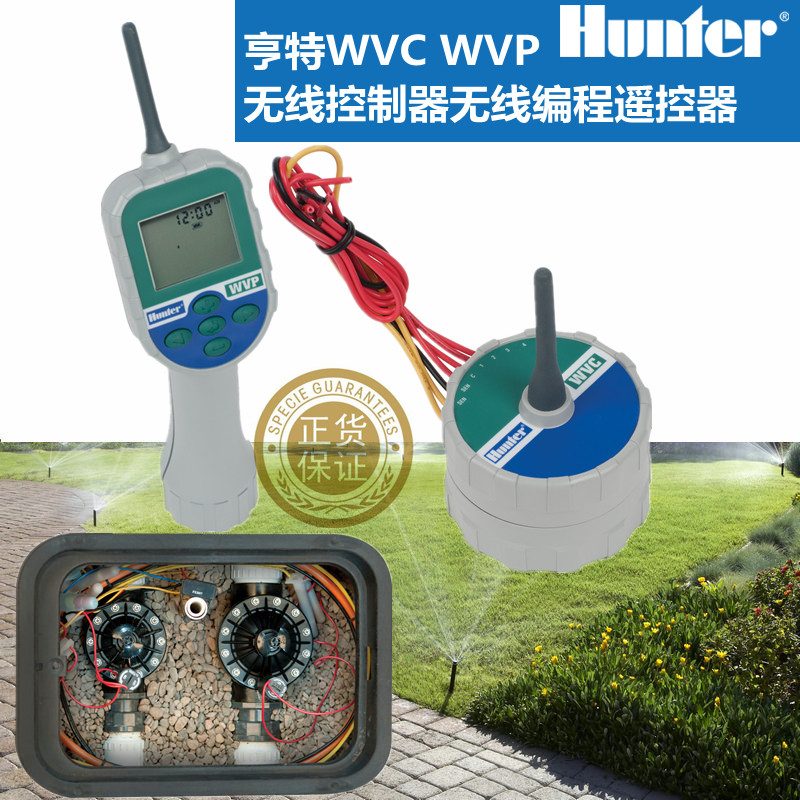
This is the controller that goes where the wires are not. It sits at the valves, runs on
batteries, and takes its instructions by radio, so a zone can be automated in a park or a median
strip without pulling mains power out to the point of use. On retrofit work — the majority of the
market — that is the difference between a project that proceeds and one that waits for a power
quote from somebody else.
The engineering trade-off is batteries
Battery life is a function of how often the valves are told to move, not of how long they stay
open. A site running two starts a day lasts far longer than one cycling eight times, and a site with
latching solenoids lasts longer again because the coil is pulsed rather than held. Ask the client
for the intended schedule before quoting, not after the first set of batteries has gone flat in a
season.
Radio, not wires
Radio range quoted on a datasheet assumes line of sight. In practice the receiver sits in a pit,
the transmitter sits in an office, and there is a building between them. Check the path before the
order is confirmed, and plan for a repeater or a different mounting position if the site is
awkward.
Site checks
- Solenoid type already installed: latching and non-latching units are not interchangeable.
- Number of valves at the pit, and whether more will be added in a later phase.
- Access for whoever changes the batteries — a pit under a shrub is a maintenance problem for a decade.
For the quote
Send the valve count, the schedule the client intends to run, and a note on what stands between the
controller’s usual position and the valves.
Model names of third-party brands are used for compatibility reference only. Final dimensions, flow and pressure ratings are confirmed against the manufacturer datasheet issued with the quotation.