
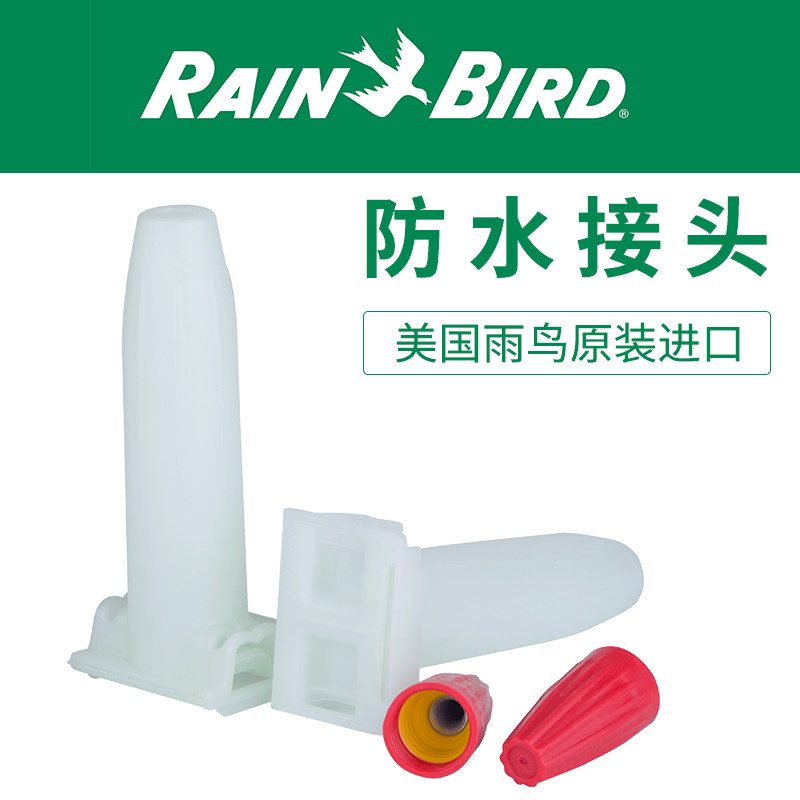
A protective sleeve that goes over a joint after it has been made. Different part from the
connector itself: the connector does the electrical work, this covers a splice, a crimp or a taped
joint so that soil, water and roots cannot get at it. It is the cheapest insurance in an irrigation
control circuit and the one most often left off a bill of quantities.
Why a sleeve rather than just tape
Tape on a buried joint fails from the inside. Water migrates along the conductors, the adhesive
lets go, and the joint corrodes in a place nobody looks. A sleeve seals over the whole assembly and
holds it against movement while backfill settles. On any joint that will be buried, the sleeve is
not optional in a properly specified job.
Where it is used
- Over valve harness splices where the joint sits in the valve box.
- On repairs to direct-buried control cable.
- On taped joints where a client’s specification does not call for a gel-filled connector.
Ordering notes
Sleeves are sized to the finished joint, not to the cable alone. A sleeve that is too tight cannot
be slid over a taped splice, and one that is too loose does not seal. Confirm the outside diameter
of the completed joint, or send a sample of the cable being used.
Quotation
Give the cable size and the number of joints expected per site. Where a project uses
gel-filled connectors, the sleeve quantity is usually a fraction of the connector quantity and the
two should be quoted separately.
Model names of third-party brands are used for compatibility reference only. Final dimensions, flow and pressure ratings are confirmed against the manufacturer datasheet issued with the quotation.