
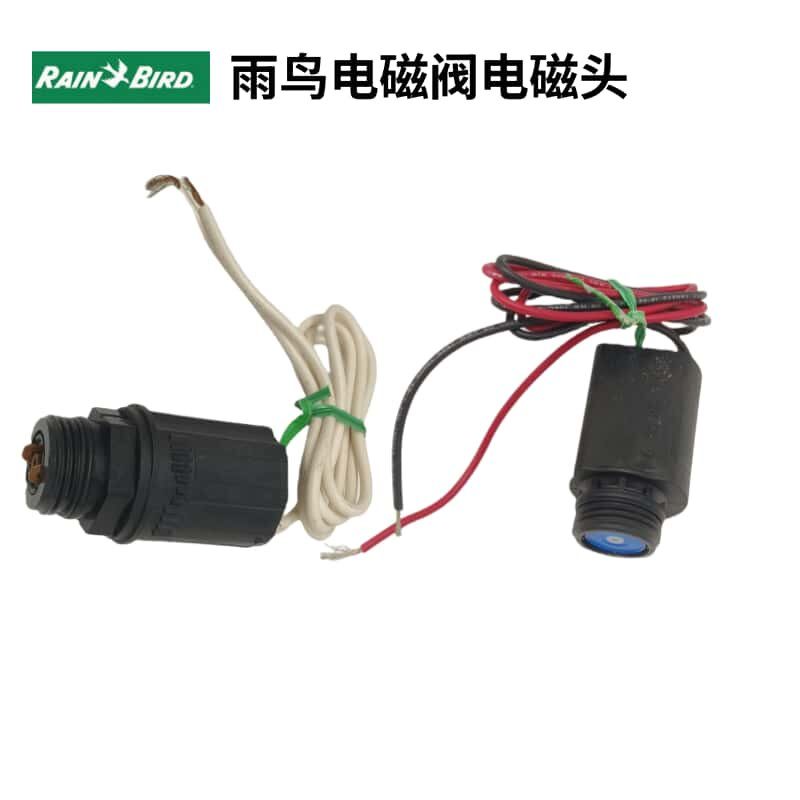
The 200PGA appears on site in two electrical versions, and the difference between them decides
whether a valve works at all: one is driven by 24 V AC from a wired controller, the other by a
brief DC pulse from a battery or latching output. Both are the same 2 inch body. Only the solenoid
on top changes.
Which one a site actually needs
Look at what feeds the valve, not at what the last order said. A wired controller with a
transformer sends AC and holds the solenoid open for the duration of the cycle. A battery-powered
tap timer or a decoder system sends a short pulse and relies on the solenoid to remember its state.
Fitting an AC coil to a latching output gives a valve that clicks and does nothing. Fitting a
latching coil to an AC output gives one that buzzes until it burns out.
Mixed fleets are the normal case
Large sites rarely have one controller type. A golf course may run a central decoder system on
the fairways and battery timers in a nursery corner. Keeping the two coil types physically distinct
— different colour leads, labelled spares — prevents the most common commissioning error we hear
about.
Replacing a solenoid without replacing the valve
If the body is sound and only the coil has failed, the coil is a separate part and can be
swapped with the line isolated. Send the body model and the controller output type; the correct
coil is quoted as a line item on its own.
The 2 inch body suits collector lines and sub-mains where several laterals draw at once.
Model names of third-party brands are used for compatibility reference only. Final dimensions, flow and pressure ratings are confirmed against the manufacturer datasheet issued with the quotation.