
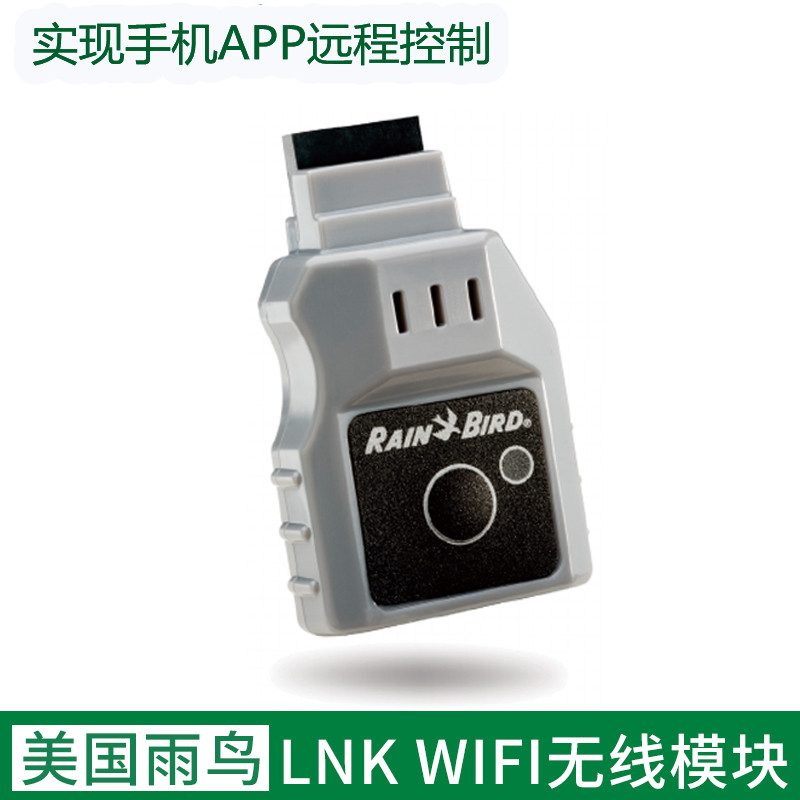
A communication module that plugs into an existing controller to put it on a network. It does not
control water and it does not replace the controller — it lets the controller be programmed, watched
and adjusted from somewhere else. For a distributor selling into municipal and commercial work,
this is the accessory that turns a hardware sale into a system the client’s grounds team can
actually run.
What it changes for the end user
The immediate gain is not remote watering, it is fault visibility. A zone that has stopped
opening, a valve stuck on, a flow rate that has drifted — these show up as data instead of as a
brown patch three days later. On a site with a maintenance contract, that shortens the loop between
the fault and the person who can fix it, which is where the money actually is.
Compatibility is the whole conversation
The module fits specific controller families and revisions, not every unit in a range. Before
quoting, confirm the exact controller model already installed — not the series, the model — because
a module bought against a series that turns out to be the earlier revision is scrap.
Site reality
- Network coverage at the controller position: a plant room with a steel door is not a WiFi environment.
- Who holds the account and who gets access — the client’s IT policy is often the real gate.
- Firmware on the controller; some units need updating before a module will be recognised.
Quotation note
Send a photograph of the controller’s label. It is faster and more reliable than a description, and
it settles compatibility in one exchange.
Model names of third-party brands are used for compatibility reference only. Final dimensions, flow and pressure ratings are confirmed against the manufacturer datasheet issued with the quotation.