
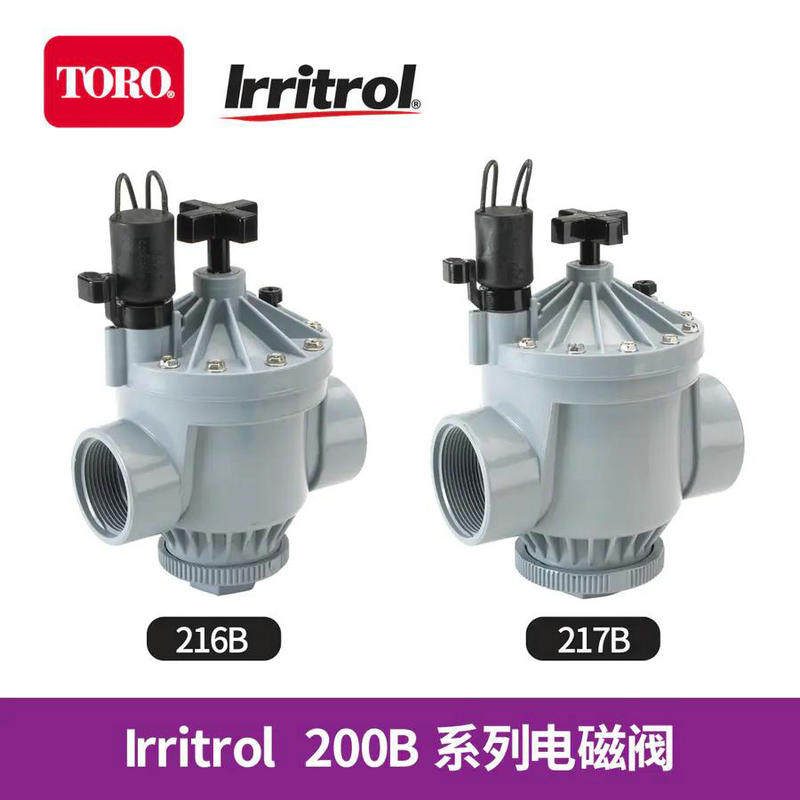
Plastic bodies at 1.5 and 2 inch occupy an awkward position in the market: they cost less than
brass and are often assumed to be the compromise option. In practice the choice between plastic and
metal has less to do with price than with what is in the water.
What actually decides plastic versus metal
Aggressive water — low pH, high chloride, or a line where fertiliser is injected — attacks metal
bodies from the inside. Plastic does not corrode, and in those conditions it lasts longer than a
metal body costing several times as much. Where the water is neutral and the pipework is rigid,
metal offers better dimensional stability under thermal cycling. Neither answer is universal.
The two sizes and how they divide
At 1.5 inch the body handles a sub-main feeding several laterals. At 2 inch the same flow passes
through a wider seat, which is what a long run or a marginal pressure budget needs. Choosing between
them is a pressure-loss calculation, not a habit.
Points that cause returns
- Thread form — BSP and NPT are sold at identical nominal sizes and do not seal
against each other. - UV exposure — a plastic body left above ground in strong sun ages faster than
one in a valve box; specify accordingly. - Coil voltage — must match the controller, AC or latching.
Both sizes are supplied with export documentation and consolidated loading for mixed orders.
Model names of third-party brands are used for compatibility reference only. Final dimensions, flow and pressure ratings are confirmed against the manufacturer datasheet issued with the quotation.