
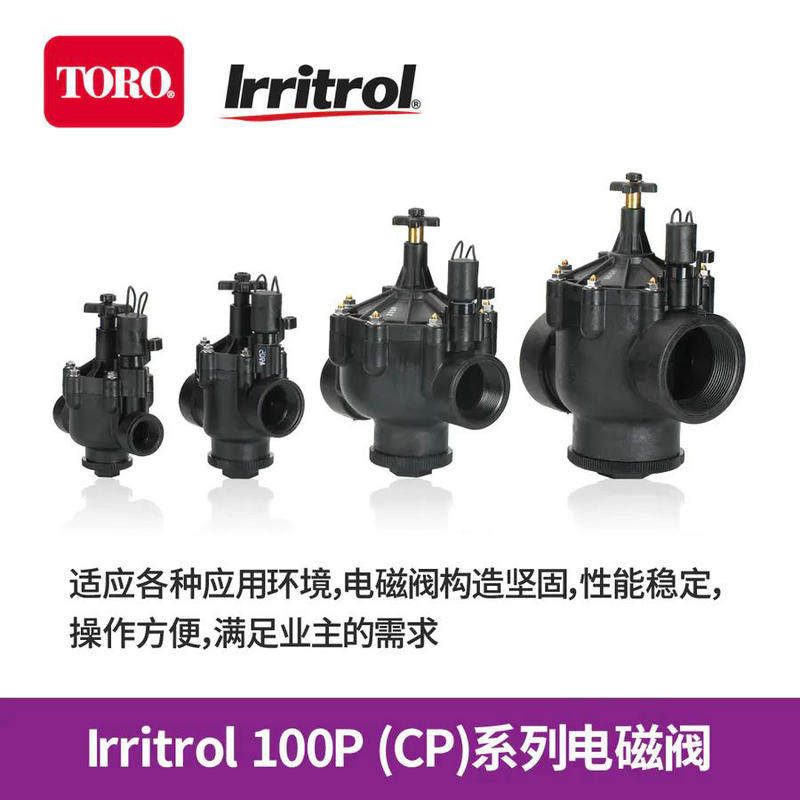
A three-inch plastic valve — DN75 — is main-line hardware rather than zone hardware. At this size
the body is controlling flow for a large block of the system: a pump discharge, a main that splits
across a site, or the feed to a whole irrigation sector on a golf course or a large agricultural
holding.
What changes at this size
Three things, and all three affect the design around the valve rather than the valve alone:
- Physical envelope. A DN75 body plus flanges or unions needs a chamber, not a valve
box. Plan the excavation before the order, not after. - Flow and pressure drop. At main-line flows, the valve’s own pressure loss becomes a
system figure. This is where undersizing stops being a comfort issue and starts costing pump energy. - Operator access. Manual bleed and flow control are specified more often at this size,
because someone has to be able to isolate a sector without shutting the plant down.
Confirm before ordering
Coil voltage and type against the controller or decoder, connection standard (threaded, flanged or
union), and whether the installation needs a flow-control variant. Plastic-bodied valves are the normal
choice for buried and landscape main lines; a pump room or exposed line changes that question.
Model names of third-party brands are used for compatibility reference only. Final dimensions, flow and pressure ratings are confirmed against the manufacturer datasheet issued with the quotation.